Column · @getderrimutwreckingyardpress
Inside a Derrimut Wrecking Yard: Saving Mazda Rotary Parts
If you own a Mazda rotary, you already know the struggle. Parts for the RX-7, RX-8, or RX-3 are not sitting on every shelf. The engines are unique. The body panels are different. And when something breaks, you do not call a regular mechanic. You start looking for a wrecker who understands what a rotor housing is and why the oil pan on an RX-8 is not the same as one on a Corolla.
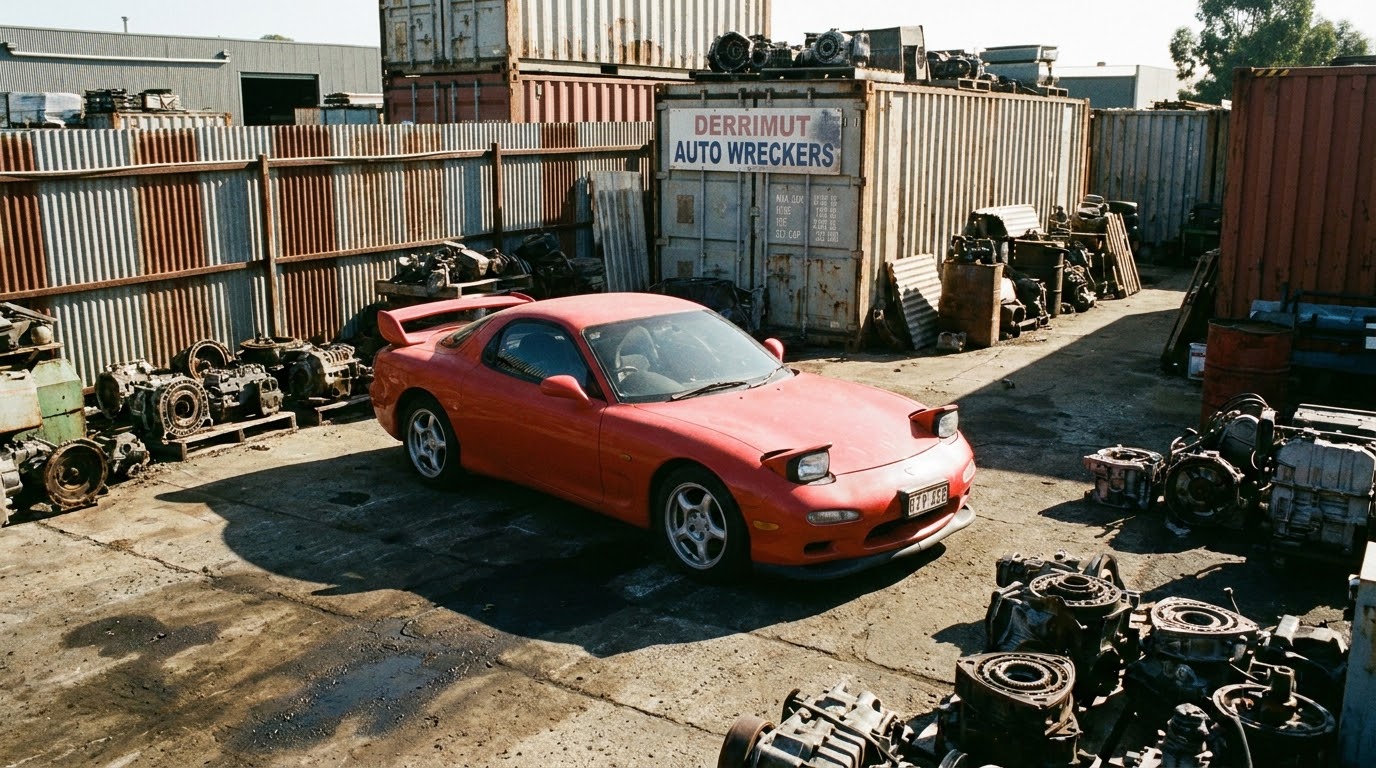
That is where a good Derrimut wrecking yard comes in. For owners in Melbourne, this suburb has become a quiet hub for rotary dismantling. One of the specialists operating there is Just Rotaries. They focus on nothing but Mazda rotary engines and the cars that carry them. Walk into their yard and you will see rows of dismantled cars, each one picked over for used parts that keep other rotaries on the road.
Why a Rotary Wrecker Is Different
Your standard scrap yard does not care about the difference between a side-port and a center-port engine. They crush everything by weight. But a specialist wrecker like the one in Derrimut treats each car differently. When an RX-3 comes in, they pull the Mazda Rotary Engine first. Then the transmission, the clutch assembly, and the brakes. Every component gets inspected and sorted. A good wrecker knows that a rotor housing from a 1985 RX-7 can be the exact part a 1990 rebuild needs.
This is not a clean room operation. It is a working yard. Engines sit on pallets. Oil pans get stacked by model. Used parts are stored in bins, labeled by hand. But the knowledge is deep. The people running the yard have pulled apart hundreds of rotary engines. They know which drain plug threads strip easily. They know which suspension components from an RX-8 can be swapped onto an RX-7. That kind of experience is hard to find anywhere else.
The Parts That Keep Rotaries Running
When you walk into a Derrimut wrecking yard, you are not just looking for any part. You are looking for the ones that are hard to get new. Mazda stopped making the RX-7 decades ago. The RX-8 ended production in 2012. New old stock is drying up. So the used parts supply chain is what keeps these cars alive.
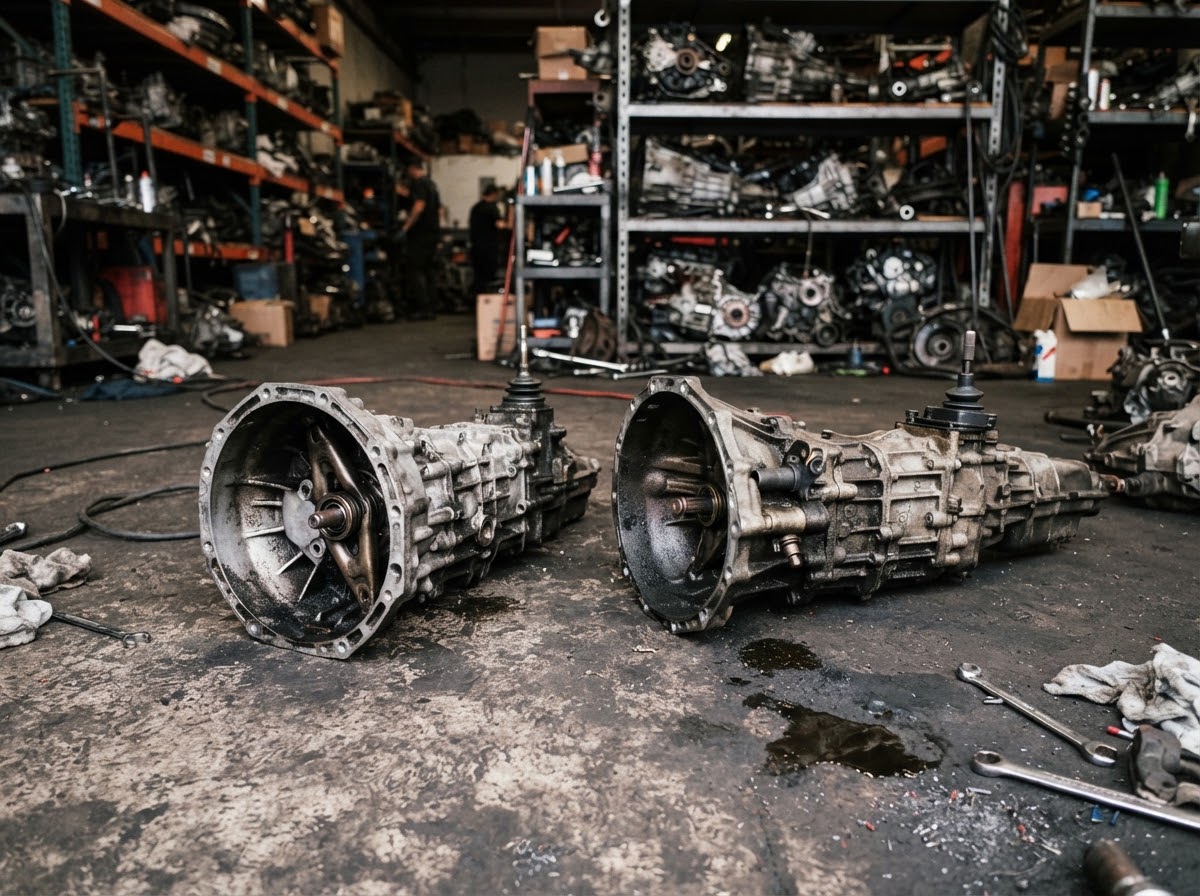
For the engine itself, the rotor housing is the big one. That is the part that wears out from the apex seals scraping against it. A good used rotor housing can save a rebuild. Then there is the oil pan. On a rotary, the oil pan is not just a sump. It holds the oil injectors that keep the rotors lubricated. Crack one or strip the drain plug threads, and you are looking at a full drop. A wrecker can sell you a clean used pan for a fraction of the cost of a new one.
Beyond the engine, the transmission and clutch are common wear items. The RX-8 is known for clutch issues, especially if the car has been driven hard. A wrecker can pull a low-mileage transmission from a damaged car and sell it for a reasonable price. The same goes for brakes and suspension. If you are building a race car or restoring a classic, buying used parts from a specialist yard makes financial sense.
Rebuilt Engines and the Wrecker Connection
Not every part from a Derrimut wrecking yard is a used part. Some wreckers also offer rebuilt engines. Just Rotaries, for example, takes the best cores from their dismantled cars and builds them back up. A rebuilt engine from a wrecker is different from a shop rebuild. The wrecker has access to a larger pool of cores. They can pick the ones with the least wear. They can also offer a better price because they are not paying wholesale for the core.
But rebuilt engines are not for everyone. If you are on a tight budget or just need a car running for a season, a good used engine from a wrecker can work fine. The trick is knowing what you are buying. A wrecker who specializes in Mazda rotary engines can tell you the history of the engine. They know which cars came in with a blown head gasket and which ones had a failed transmission but a solid motor. That kind of context matters.
Aftermarket and Performance Upgrades
Wreckers do not only stock factory parts. Many of them also carry aftermarket performance parts. Racing Beat is a well-known name in the rotary world. They make intake manifolds, exhaust systems, and other upgrades. A good Derrimut wrecking yard might have Racing Beat parts that came off a customer's car or were bought in bulk. Similarly, Enkei wheels are common on RX-7s and RX-8s. If you find a set of used Enkei wheels at a wrecker, you can save hundreds compared to buying new.
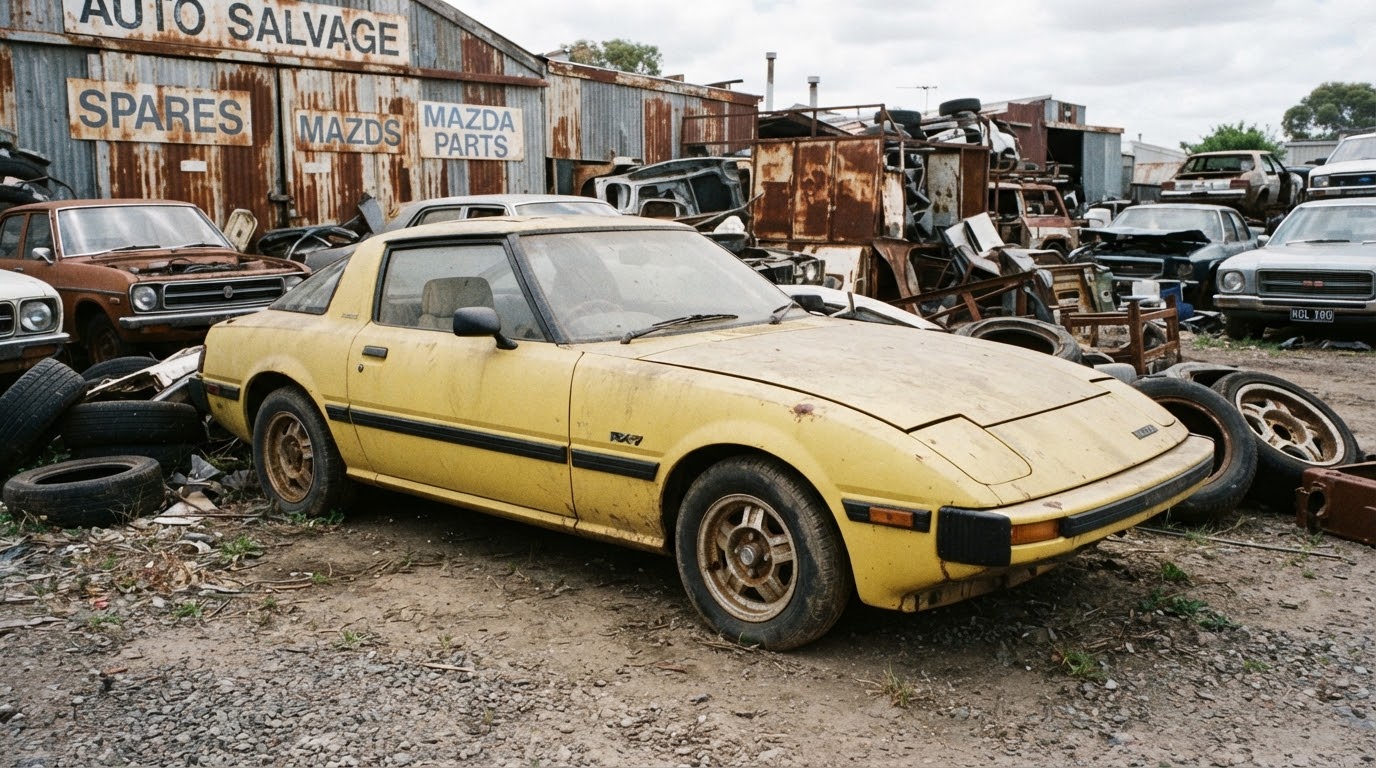
This is where the relationship with a wrecker pays off. If you are building a performance car, you can call the yard and ask what they have. They might have a set of RX-7 rotors that were pulled from a car that was upgraded. They might have a complete suspension setup from an RX-8 that was converted to coilovers. The inventory changes weekly, so it pays to check back.
The Practical Side of Pulling Parts
If you have never visited a wrecker, there are a few things to know. First, bring your own tools. Most yards will let you pull the part yourself if you know what you are doing. This is especially true for things like the oil pan or drain plug. The yard does not want to pay a guy to unbolt an oil pan for twenty minutes when you can do it yourself. Second, know what you need. Look up the part number before you go. Bring a picture. The guy at the counter might know rotaries, but he does not know every single bracket and bolt.
Third, be realistic about condition. A used part from a Derrimut wrecking yard is not a new part. It has miles on it. But if you are buying a rotor housing, you can inspect the chrome surface. If you are buying a clutch, you can check the wear pattern. A good wrecker will let you look at the part before you buy. If they do not, walk away.
Why Melbourne Matters for Rotary Owners
Melbourne has a strong rotary community. There are more RX-7s and RX-8s per capita here than in most Australian cities. That means the wreckers see more of these cars. They have more inventory. They also have more competition, which keeps prices reasonable. A Derrimut wrecking yard like Just Rotaries has access to a steady stream of dismantled cars from local owners, auctions, and trade-ins.
The proximity to other rotary specialists helps too. If you need a rebuilt engine, you can drop off your car and pick it up in the same suburb. If you need a used transmission, you can walk into the yard and pull one in an hour. That kind of access is hard to beat. It is one of the reasons Melbourne owners keep their rotaries on the road longer than owners in other parts of the country.
Final Thoughts on the Wrecker Experience
Using a Derrimut wrecking yard is not a sign of desperation. It is a smart move. Rotary cars are old, and new parts are getting harder to find. The used parts supply chain is what keeps these cars alive. A good wrecker extends the life of every car they dismantle. They turn one dead RX-7 into parts that keep ten others running. That is the reality of owning an older car, and there is no shame in it.
If you are in Melbourne and you own a Mazda rotary, find the local wrecker. Introduce yourself. Tell them what you drive. Build a relationship. Over time, they will remember you and your car. When an RX-3 comes in with a clean transmission, they might call you first. That is the kind of connection that keeps a rotary on the road for another decade.